Table of Contents
- Fonts are daily infrastructure
- They were born from constraint
- The screens that sold the myth
- Why programmers should care more than most people
- The category is bigger than people think
- Constraint is the style
- Why I think the industry misses them
- Why now is a good time to try them again
- The part I keep coming back to
- Sources
- References
Fonts are one of the few design objects you literally cannot avoid.
You look at type every day. In your editor, your browser, your terminal, your phone, your lock screen, your notes, your menus. Even when you think you are only looking at content, you are still looking through a typeface.
That is part of why this keeps bothering me.
Everyone wants the hacker vibe.
Almost nobody wants to use the typography that actually built it.
That always feels like a miss to me.
We keep borrowing the atmosphere of old computing. The terminals, the midnight screens, the command line, the weird little machine-like sharpness of older software. But then the typography ends up looking like a polished startup dashboard.
And if I am being honest, that kills half the feeling.
Bitmap fonts feel like a lost art to me.
They were some of the first screen faces that taught people what computer text looked like. Not just how it worked, but how it felt.
Bitmap fonts are not interesting just because they look old. They are interesting because every pixel had to earn its place.
Fonts are daily infrastructure
Fonts are one of the things we spend the most time looking at, and one of the things we notice the least until something feels wrong.
A lot of modern visual life got standardized around a useful split: clean sans faces for interfaces, respectable serif faces for long reading. Both are good. Both earned their place.
But that smooth default also made a whole older screen language feel niche.
Bitmap fonts did not disappear because they stopped being expressive. They disappeared because vector text won the convenience war. It scales more easily, ships more safely, and behaves better across arbitrary sizes and devices.
Bitmap fonts are the opposite.
They are specific. They want the right size. They want the right grid. And when you give them that, they snap into place with a kind of precision that smooth defaults often do not.
They were born from constraint
That is the first reason I like them.
Bitmap fonts were not made to cosplay nostalgia. They existed because older displays were limited, rendering was rough, and glyphs had to be drawn directly onto a grid. If a letter was going to be readable, someone had to decide exactly where every pixel would sit.
That pressure shows.
Good bitmap fonts feel deliberate in a way that many modern screen fonts do not. They are not softly averaged shapes. They are sharp little decisions.
That is why they still feel so alive.
The screens that sold the myth
A lot of us did not first meet this aesthetic through type history.
We met it through screens.
Through The Matrix making machine text feel mythic. Through Mr. Robot making terminal windows feel serious again.
It matters that The Matrix did not literally use a stock bitmap programming font. Simon Whiteley built its digital rain from hand-painted Japanese characters based on recipe-book text, which were later digitized into the cascade everybody remembers.1
But culturally it landed in the same place anyway.
Dense, coded, machine-like text became part of what “hacker” meant to a whole generation.
Mr. Robot pushed that feeling in a different direction. Sam Esmail explicitly rejected fake Hollywood hacking and wanted real tools on screen instead of “ones and zeroes flying at you.”23
That is part of why those screens spoke to me.
They treated computer text like atmosphere, yes, but also like craft.
Why programmers should care more than most people
Programmers already live inside grids.
We read in columns. Symbols matter. Tiny ambiguities matter. The difference
between 0 and O, or 1, l, and I, matters more in code than it does in
most kinds of reading.
That is why bitmap fonts feel so natural in programmer culture.
The best ones are not just aesthetic artifacts. They make symbols clearer. They make terminals feel denser. They make box-drawing and punctuation feel more solid. They make an editor feel like a tool instead of a generic content panel that just happens to contain code.
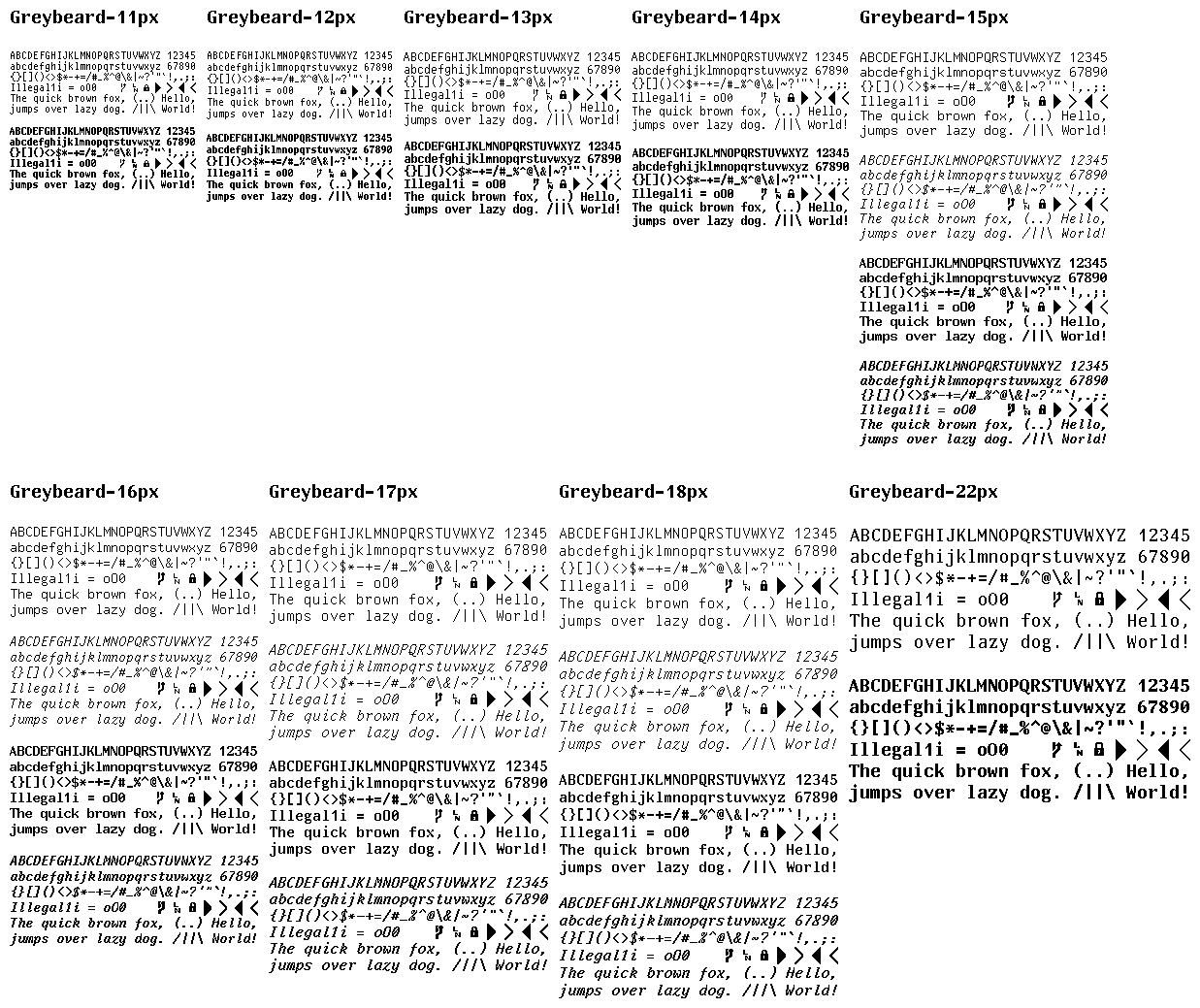
Greybeard is one of the clearest examples of that feeling.4
And on top of that, these fonts carry memory.
A bitmap font does not just change the text. It changes the mood of the whole screen.
The category is bigger than people think
One reason bitmap fonts stay underexplored is that people flatten them into one single mood.
As if “bitmap font” just means tiny terminal text and nothing else.
But the category is way bigger than that.
Some of them feel like pure workhorses. Some feel like programmer nostalgia. Some feel editorial. Some feel brutalist. Some feel almost sci-fi.
These are the ones I kept coming back to while putting this together:
| Font | Kind | Simple Metric | Best Use | License / Access |
|---|---|---|---|---|
| Greybeard | Bitmap-rooted programming font | Size-specific builds from 11px to 22px |
Code shots, terminal nostalgia, dense editor visuals | Custom, double-check before reuse |
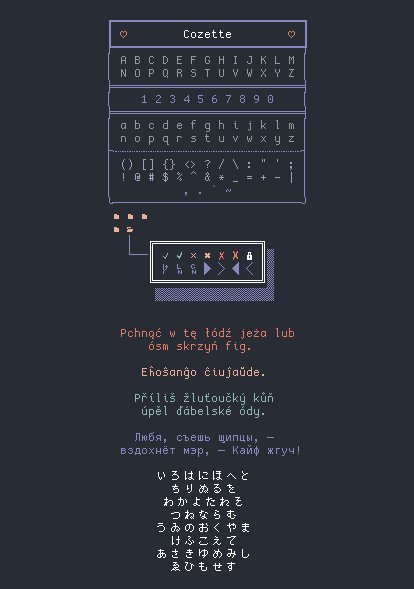
| Cozette | Bitmap-first programming font | 6x13px |
Terminals, character-map shots, cozy hacker vibe | MIT |
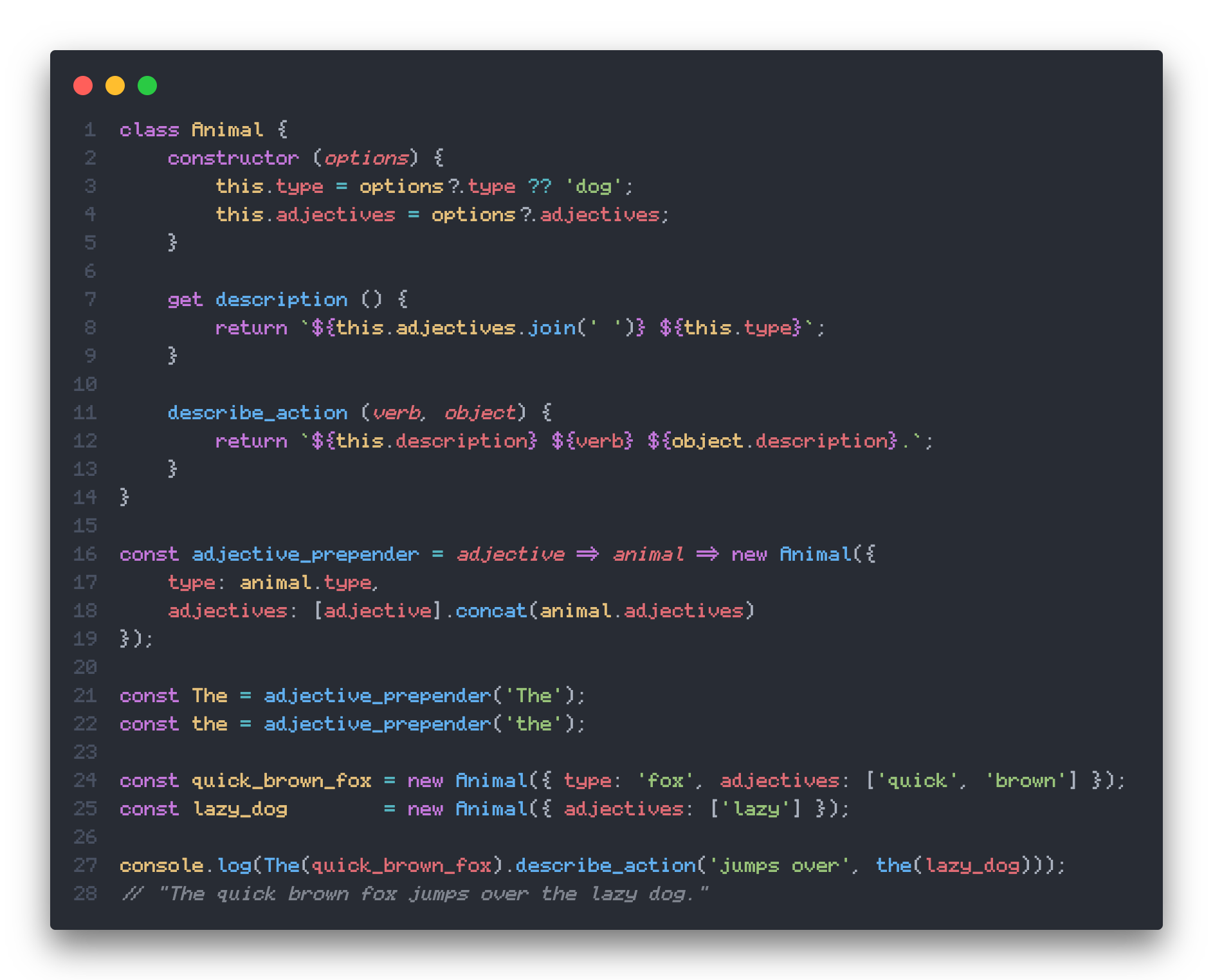
| PixelCode | Modern pixel programming family | Multiple weights and italics | Modern code visuals, motion graphics, editor overlays | OFL 1.1 |
| NeueBit | Brutalist bitmap display sans | 600+ characters in the pack |
Headlines, titles, poster-style text | Pangram free-trial flow |
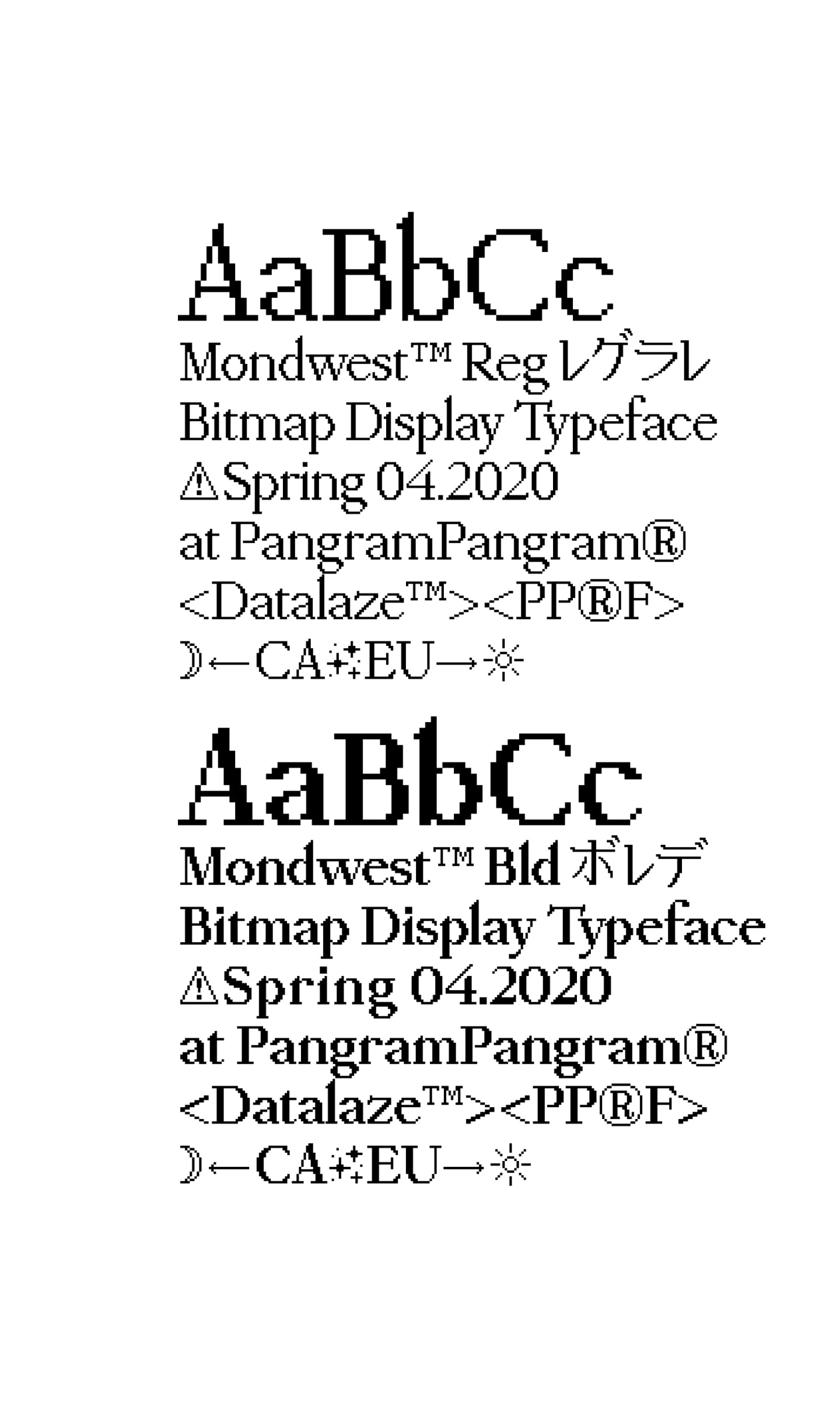
| Mondwest | Bitmap serif display face | 2 weights |
Quotes, title cards, surprising serif contrast | Pangram free-trial flow |
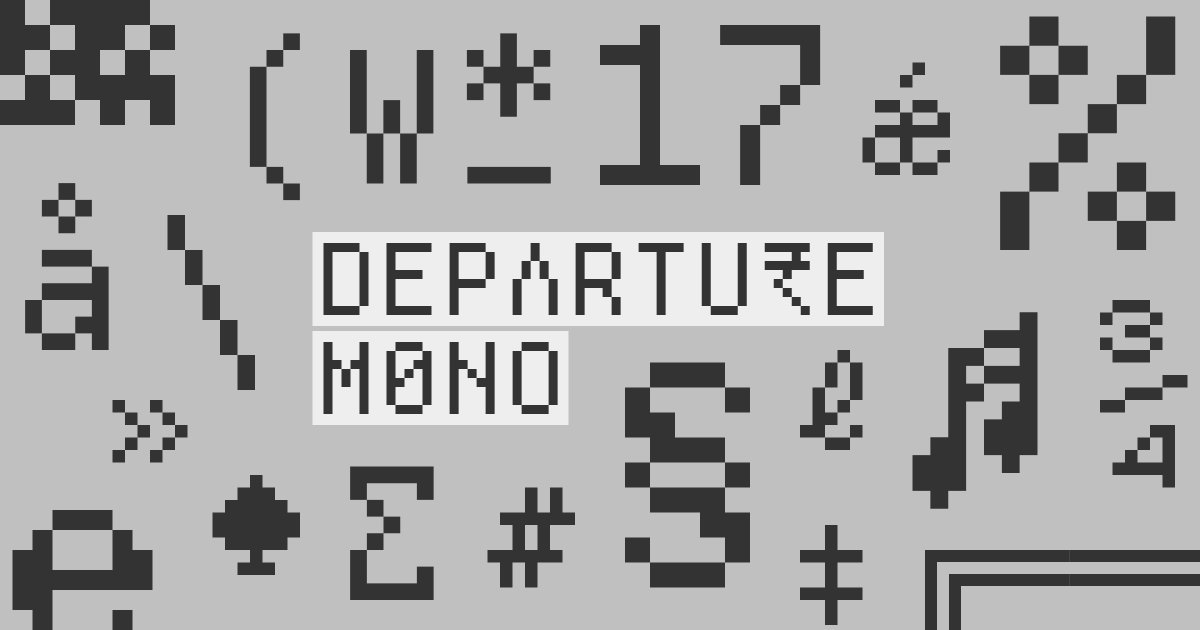
| Departure Mono | Editorial pixel mono | 1,186 glyphs, best in 11px steps |
Hero frames, title cards, polished tech visuals | OFL 1.1 |
| Terminus TTF | Classic bitmap workhorse | 1,356 characters, sizes 6x12 to 16x32 |
History angle, workhorse coding font, long-reading screens | OFL 1.1 |
| Gohu | Bitmap-first monospace | 11px and 14px |
Legibility demos, terminal shots, glyph comparisons | WTFPL |
| Luculent | Vector contrast / screen font | Prehinted screen family | Useful contrast point, not the main bitmap story | OFL |
That range is what makes the subject interesting to me.
You can go from Terminus and Gohu, which feel built for long hours of actual computer work,56 to Cozette, which feels deeply embedded in terminal culture,7 to PixelCode, which makes pixel type feel modern again.8
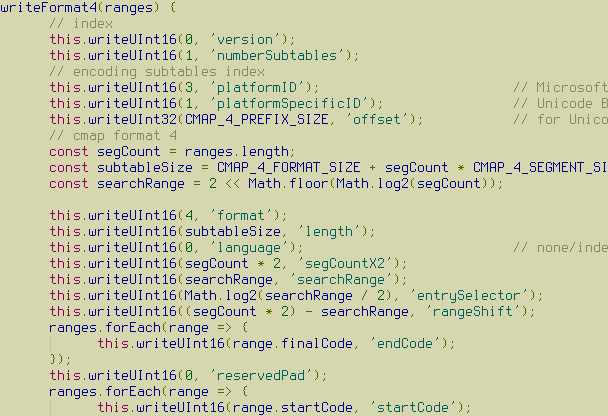
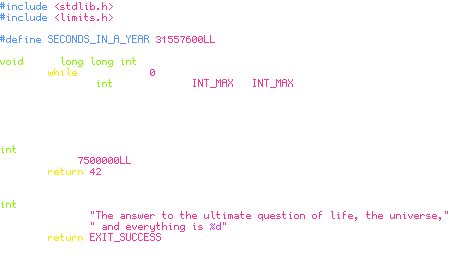
And then you get to Departure Mono, NeueBit, and Mondwest, where bitmap stops feeling like pure nostalgia and starts feeling like a full-on design language.910

Constraint is the style
This is the center of it for me.
What makes bitmap fonts powerful is not just that they look old. It is that they look constrained.
And this is also where I want to be precise: bitmap fonts are not the ones that look good at any resolution. Vector fonts won that battle.
Bitmap fonts are the ones that look perfect at their intended resolution.
That pickiness is not a bug. That is the style.
Modern design often mistakes smoothness for polish. Everything wants to be neutral, scalable, frictionless, and safe across every possible screen and use case. Bitmap fonts push in the opposite direction. They are specific. They are picky. They want the right size. They want the right rendering path. They want to be used with intent.
And when you do that, they give you personality that smooth defaults almost never can.
They bring back edge definition. They bring back texture. They make text feel built instead of poured.
That is why they work so well in code screenshots, title cards, reels, posters, and technical visuals. The typography starts doing actual mood work instead of just carrying the sentence.
Why I think the industry misses them
A lot of tech design wants the mood of old computing without the commitment.
It wants the hacker aesthetic, the tiny flashes of grit, the implied command line coolness, but it still wants everything to remain sleek, soft, and universally deployable.
Bitmap fonts break that spell because they are too concrete.
Too opinionated.
Too obviously from somewhere.
But that is exactly why they are worth using.
They make a screen feel authored. They make technical work feel like technical work. They let typography carry history instead of leaving all the work to grain overlays and color grading.
And for programmers especially, they just feel native in a way a lot of default modern type does not.
Why now is a good time to try them again
This is actually a really good time to care about them.
You do not need to rebuild an entire operating system around a bitmap font to get something out of it. You can use them in terminals, code screenshots, title cards, posters, motion graphics, overlays, menus, or even just as a way to change the emotional temperature of a project.
And because so much of tech design has flattened into the same few safe sans choices, bitmap fonts feel fresh again precisely because they are so specific.
If you like fonts at all, this is a good moment to try one.
Not because they are retro.
Because they still work.
The part I keep coming back to
Bitmap fonts make computers feel like computers again.
Not abstract “digital products”. Not generic interfaces. Not frictionless panels pretending to be neutral.
Actual computers.
Machines with grids, character cells, box drawing, strange little compromises, and texture.
That is why I think they are still so good.
And that is why I think they are still so overlooked.
If more people in tech, especially programmers, treated bitmap fonts as a living design language instead of a retro gimmick, I genuinely think we would end up with sharper tools, stranger interfaces, better visuals, and a lot less fake hacker vibe.
Sources
- Greybeard
- Cozette
- PixelCode
- NeueBit
- Mondwest
- Departure Mono
- Terminus
- Terminus TTF
- Gohu
- Luculent
- WIRED on The Matrix digital rain
- Inverse on Sam Esmail’s approach to hacking on Mr. Robot
References
-
WIRED reports that Simon Whiteley designed The Matrix digital rain from hand-painted Japanese characters based on recipe-book text, later digitized into the final effect. ↩
-
In a 2016 Inverse interview, Sam Esmail said he was tired of fake hacking imagery and wanted something other than “ones and zeroes flying at you.” ↩
-
The same Inverse piece notes that Mr. Robot used real code, technical consultants, and practical screens rather than generic green-screen nonsense. ↩
-
Greybeard describes itself as a chunky monospaced bitmap programming font and ships size-specific builds from
11pxthrough22px. ↩ -
Terminus is one of the clearest bitmap workhorses in the list, originally framed as a fixed-width font designed for long work with computers. ↩
-
Gohu is great because it is obsessed with legibility and glyph differentiation first, nostalgia second. ↩
-
Cozette is explicitly bitmap-first, with a
6x13pxcore form and a very terminal-native philosophy. ↩ -
PixelCode is the one that most clearly treats pixel typography like a full modern programming family, with multiple weights and italics. ↩
-
Departure Mono leans into a lo-fi technical vibe, and the author recommends sizing it in
11pxincrements for pixel-perfect results. ↩ -
NeueBit and Mondwest are among the clearest proof that bitmap fonts can be poster and editorial tools, not just terminal artifacts. ↩